Every second counts during a medical emergency, and knowing how to respond can be the difference between life and death. Basic Life Support, or BLS, is a set of critical skills designed to help healthcare providers and trained responders save lives in situations like cardiac arrest, choking, or respiratory emergencies. BLS certification is not only a requirement for many healthcare professionals but also a valuable skill for anyone involved in patient care or emergency response. Whether you are a nurse, medical assistant, first responder, or even a concerned family member, BLS training equips you with the confidence and practical knowledge to act quickly and effectively when emergencies arise.
What is BLS Training?
BLS training is a structured program that teaches participants how to recognize life-threatening emergencies, provide high-quality cardiopulmonary resuscitation (CPR), and use an automated external defibrillator (AED). It focuses on both adult and pediatric emergencies, making it a comprehensive approach to life-saving interventions. The purpose of BLS training is clear: to ensure that rescuers can maintain circulation and oxygenation until advanced care arrives. This training goes beyond theory by incorporating hands-on practice, allowing learners to develop muscle memory and confidence in high-pressure situations.
What is the Main Focus of BLS?
The main focus of BLS is maintaining vital functions during cardiac or respiratory emergencies. Participants learn to recognize when someone is unresponsive, struggling to breathe, or experiencing cardiac arrest. They also understand how to act immediately, following a systematic approach that prioritizes patient safety and effective intervention. The core objectives include providing high-quality CPR, understanding the correct use of an AED, activating emergency response systems, and recognizing life-threatening conditions. By mastering these skills, responders are prepared to increase the chances of survival for patients in critical situations.
What Are the 7 Steps of BLS?
BLS (Basic Life Support) typically follows these 7 key steps:
- Check the scene for safety – Ensure the environment is safe for both you and the victim before approaching.
- Check for responsiveness – Tap the person’s shoulders and shout to see if they respond. If unresponsive, call for help.
- Activate emergency response (call 911) – Or have someone else call while you begin care. Get an AED if available.
- Check for breathing and pulse – Look for normal breathing (not just gasping) and check for a pulse simultaneously for no more than 10 seconds.
- Begin CPR if needed – If no pulse or no normal breathing, start chest compressions at a rate of 100-120 per minute, pushing hard and fast at least 2 inches deep on the center of the chest. Deliver 30 compressions followed by 2 rescue breaths (if trained and willing). Continue the 30:2 cycle.
- Use an AED when available – Apply the AED pads, follow the device’s prompts, and deliver a shock if advised. Resume CPR immediately after the shock.
- Continue CPR until help arrives – Keep going until emergency medical services take over, the person shows signs of life, you’re too exhausted to continue, or the scene becomes unsafe.
What to Expect During BLS Training at CPR Tampa
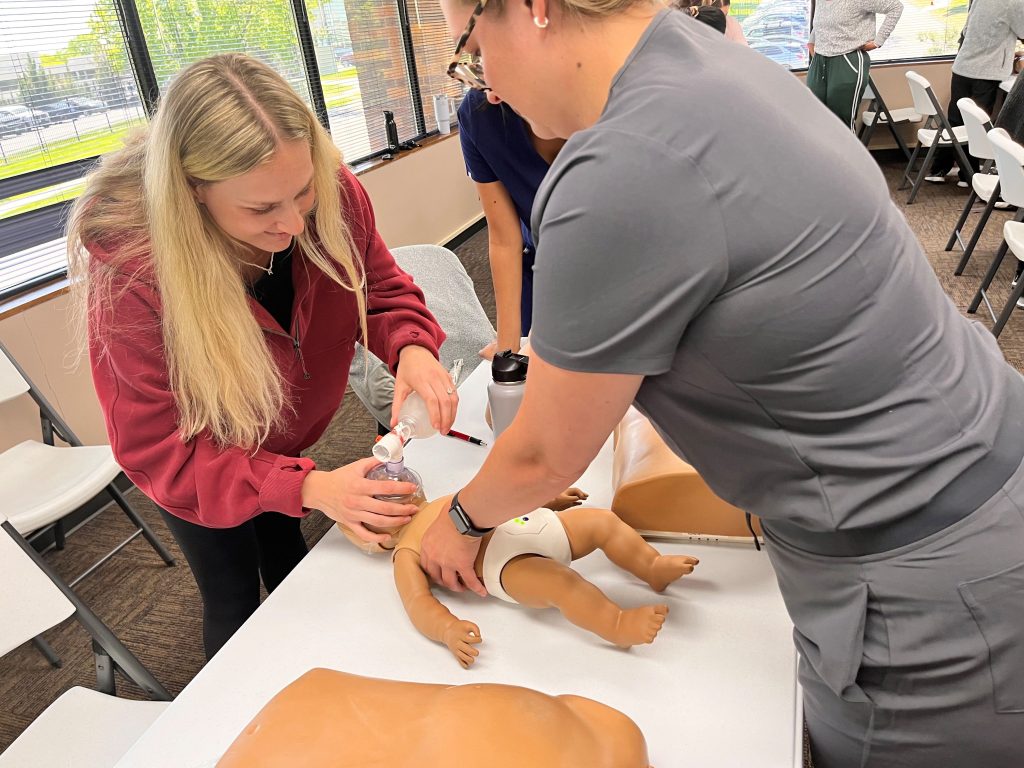
At CPR Tampa, BLS training is designed to be hands-on and interactive. Courses combine instructional sessions with skills practice to reinforce learning. Participants practice CPR on manikins, learn proper AED use, and simulate emergency scenarios to build confidence and preparedness. Topics covered include adult and pediatric CPR, choking interventions, rescue breathing, and post-resuscitation care. Courses are structured to balance theory with practice, ensuring that learners not only understand the steps but can perform them effectively under pressure. Certification involves both a written assessment and a practical evaluation, confirming that participants are competent and ready to respond.
Choosing CPR Tampa offers several advantages. The instructors are experienced healthcare professionals who provide personalized guidance and feedback. Classes are small to allow for individual attention, and equipment used during training mirrors real-life emergency tools. In addition to standard BLS courses, CPR Tampa offers resources and refresher sessions to keep skills current. The environment is supportive, stress-free, and focused on practical skill retention, which is essential for anyone who may face real-life emergencies.
FAQs About BLS Training
- How long does BLS training take to complete? BLS training typically takes about 4-5 hours to complete for initial certification. The course includes hands-on practice with CPR techniques, AED use, and relief of choking in adults, children, and infants. Renewal courses are shorter, usually taking around 3-4 hours, since participants are already familiar with the basic concepts. At CPR Tampa, all classes are designed to be stress-free and hands-on, ensuring you gain practical skills in a comfortable learning environment.
- Is BLS certification the same as CPR certification? While BLS (Basic Life Support) includes CPR, it’s more comprehensive than standard CPR certification. BLS is specifically designed for healthcare providers and includes advanced techniques like two-rescuer CPR scenarios, bag-valve-mask ventilation, and team dynamics during emergency response. Standard CPR certification is typically meant for the general public and covers basic lifesaving skills. Healthcare professionals, first responders, and medical students usually need BLS certification to meet their professional requirements.
- How often do I need to renew my BLS certification? BLS certification must be renewed every two years to remain current. This ensures that healthcare providers stay updated on the latest American Heart Association guidelines and maintain their lifesaving skills through regular practice. Renewal classes review all essential techniques and introduce any updated protocols or recommendations that have been implemented since your last certification.
Conclusion and Call to Action
BLS training equips healthcare providers with critical lifesaving skills that can make the difference between life and death in emergencies. Understanding what you’ll learn in BLS training helps you prepare for this essential certification and appreciate its importance in the medical field.
Ready to get certified or renew your credentials? CPR Tampa is an American Heart Association training site offering stress-free, hands-on BLS classes in Tampa for healthcare providers. Whether you need initial certification or renewal in BLS, ACLS, PALS, or CPR and First Aid, our expert instructors provide comprehensive training in a supportive environment. Don’t wait until an emergency happens—get your CPR certification in Tampa today and be prepared to save lives. Contact CPR Tampa now to enroll in your next class!