

High-quality CPR for children can mean the difference between life and death in an emergency. When a child experiences cardiac arrest, immediate and effective CPR can help maintain blood circulation and oxygen delivery to vital organs until professional medical assistance arrives. However, CPR for children differs from CPR for adults due to anatomical and physiological differences. Children have smaller, more flexible bones, and their cardiac arrest is often caused by respiratory failure rather than heart disease.
Understanding and applying high-quality pediatric CPR techniques is essential for parents, teachers, coaches, and healthcare providers. Unlike adult CPR, which focuses primarily on deep compressions, pediatric CPR requires a careful balance between compressions and effective ventilation. For those looking to gain hands-on experience and certification, CPR Tampa offers expert-led training courses that equip individuals with the skills needed to respond confidently in a pediatric emergency.
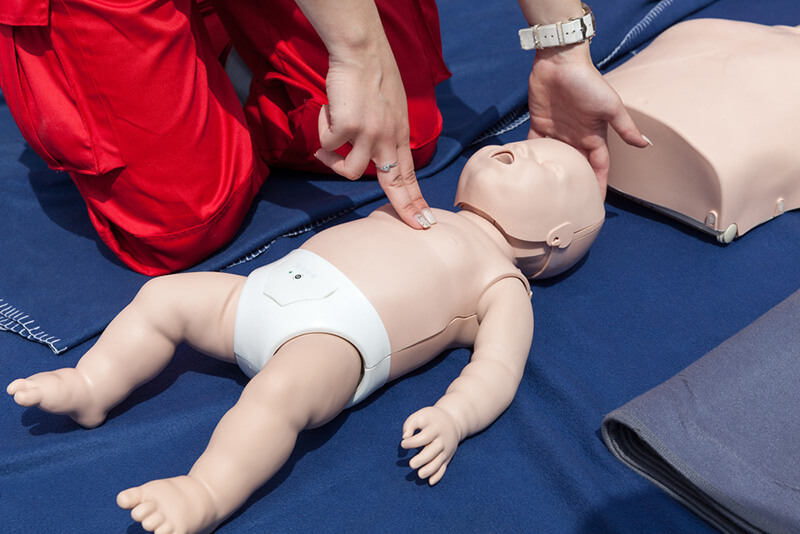
Three Key Components of High-Quality CPR for Children
Performing high-quality CPR on a child requires attention to three key components: effective chest compressions, proper ventilation and airway management, and minimizing interruptions to ensure continuous CPR. Each of these elements plays a crucial role in improving survival rates and ensuring that oxygen reaches the brain and other vital organs.
1. Effective Chest Compressions
Chest compressions are the foundation of CPR, helping to circulate oxygen-rich blood throughout the body. When performing compressions on a child, several key factors must be considered to maximize their effectiveness while preventing injury.
Proper hand placement depends on the child’s size. For smaller children, a one-hand technique is often sufficient to achieve the correct compression depth, while for larger children, rescuers should use two hands, similar to adult CPR. The hands should be placed in the center of the chest, just below the nipple line, to ensure compressions effectively target the heart.
The correct compression depth for children is at least one-third the depth of the chest, or about 2 inches (5 cm). This ensures that enough force is applied to stimulate blood flow without causing unnecessary trauma to the ribs or internal organs.
The rate of compressions is 100-120 per minute, which is the same as for adult CPR. Maintaining this pace is critical to keeping blood circulating, and rescuers can use the beat of a song like “Stayin’ Alive” to help maintain the correct rhythm.
Allowing for full chest recoil between compressions is just as important as applying downward pressure. The heart needs time to refill with blood between compressions, so rescuers should avoid leaning on the chest and allow it to return to its normal position after each push.
2. Proper Ventilation and Airway Management
Unlike adult cardiac arrest, which is often due to heart disease, pediatric cardiac arrest is frequently caused by respiratory failure. Therefore, ensuring effective breathing support is essential in child CPR.
First, rescuers must ensure an open airway using the head tilt-chin lift technique. This maneuver helps prevent the tongue from blocking the airway, making it easier for the child to breathe. However, care should be taken not to overextend the neck, as children’s airways are more flexible and susceptible to obstruction.
When delivering rescue breaths, they should be gentle and just enough to make the chest rise. Unlike adults, children’s lungs are smaller and more delicate, so excessive force can cause lung injury. Each breath should be delivered over about one second, with enough air to produce a visible chest rise without overinflating the lungs.
The correct compression-to-ventilation ratio varies based on the number of rescuers. If there is only one rescuer, the ratio is 30 compressions to 2 breaths (30:2). If two rescuers are available, they should switch to a 15:2 ratio, which provides more frequent breaths since children’s bodies rely more on oxygenated air than adult bodies do.
3. Minimal Interruptions and Continuous CPR
One of the most critical aspects of high-quality CPR is ensuring minimal interruptions in chest compressions. Every pause in compressions reduces blood circulation, decreasing the likelihood of a successful resuscitation.
Rescuers should aim to minimize pauses by keeping compressions as continuous as possible. When providing breaths, they should be delivered quickly to resume compressions immediately. Additionally, rescuers should switch roles efficiently to prevent fatigue, ensuring that compressions remain effective throughout the resuscitation effort.
If an automated external defibrillator (AED) is available, it should be used as soon as possible. Pediatric pads should be used if available, but if only adult pads are on hand, they can be applied with one on the front of the chest and one on the back. Early defibrillation significantly improves survival chances, so it is vital to integrate an AED into the resuscitation process without causing excessive delays in compressions.
In a multi-rescuer scenario, teamwork and coordination are essential. One rescuer should focus on compressions, another on providing breaths, and a third (if available) should prepare the AED. Effective communication and role-switching help maintain high-quality CPR while minimizing downtime.
High-quality CPR for children requires a combination of effective chest compressions, proper ventilation, and continuous compressions with minimal interruptions. Each of these components plays a vital role in keeping blood and oxygen flowing until professional medical help arrives. Understanding how to adjust CPR techniques for pediatric patients can dramatically improve survival outcomes and reduce the risk of long-term complications.
Proper training and hands-on practice are the best ways to ensure that rescuers can perform CPR with confidence and efficiency. Whether you are a parent, teacher, coach, or healthcare provider, getting certified in pediatric CPR is a crucial step in being prepared for emergencies. CPR Tampa offers comprehensive training courses that equip individuals with life-saving skills tailored to children and infants.
Don’t wait until an emergency happens—sign up for CPR training today and be ready to save a child’s life.
Conclusion
High-quality CPR for children isn’t simply a scaled-down version of adult CPR — it’s a distinct skill set that requires focused training, precise technique, and a clear understanding of pediatric physiology. Compression depth, full chest recoil, and minimizing interruptions form the foundation of an effective pediatric response, but translating that knowledge into real-world action takes practice under proper instruction. Whether you’re a parent, educator, or healthcare professional, investing in pediatric CPR training is one of the most meaningful steps you can take to protect the children in your care.
Be Ready When a Child Needs You Most
Don’t wait for an emergency to wish you had been trained. Enroll in same-day CPR certification in Tampa and learn pediatric and adult CPR techniques from AHA-certified instructors in a hands-on, supportive environment. Our courses are designed to build real confidence — not just classroom knowledge — so you can act decisively when every second counts.
For medical professionals who need to go further, our PALS training in Tampa covers the full spectrum of pediatric advanced life support, including recognition of respiratory distress, shock, and cardiac arrest in infants and children, equipping your team to deliver coordinated, high-quality care in the most critical moments.
FAQs: Three Components of High-Quality CPR for Children
Q: How is CPR for children different from CPR for adults? A: Pediatric CPR follows the same foundational principles as adult CPR, but the technique is adjusted to account for a child’s smaller body and different physiological needs. Compression depth for children is about 2 inches — compared to 2.4 inches for adults — and rescuers may use one or two hands depending on the child’s size. For infants, a two-finger or two-thumb encircling technique is recommended. The compression-to-ventilation ratio also differs for healthcare providers performing two-rescuer infant and child CPR, making proper training essential for anyone who may respond to a pediatric emergency.
Q: What are the three components of high-quality CPR for children? A: The three core components are adequate compression depth and rate, full chest recoil between compressions, and minimizing interruptions to keep the chest compression fraction high. For children, the AHA recommends a compression rate of 100 to 120 per minute and a depth of at least one-third the anterior-posterior diameter of the chest. Each component reinforces the others — proper depth without full recoil reduces effectiveness, and excellent technique means nothing if compressions are frequently interrupted. Mastering all three together is what separates adequate CPR from high-quality CPR.
Q: Why is it important for parents and caregivers to learn pediatric CPR specifically? A: Cardiac arrest in children is most commonly caused by respiratory failure rather than a cardiac event, which means early, effective CPR — including rescue breaths — can be especially impactful in the pediatric population. Parents, teachers, coaches, and childcare providers are often the first on the scene in a pediatric emergency, and the minutes before EMS arrives are critical. Learning pediatric-specific techniques, including age-appropriate compression depth and the role of ventilation, gives caregivers the tools to respond with confidence rather than hesitation when a child’s life is on the line.