What is CPR?
Cardiopulmonary Resuscitation, commonly known as CPR, is a life-saving technique designed to maintain blood flow and oxygen delivery during medical emergencies such as cardiac arrest. By combining chest compressions with rescue breaths, CPR temporarily takes over the function of the heart and lungs until professional medical care can be administered. It is a critical skill that can mean the difference between life and death, especially when performed immediately after a cardiac arrest. Understanding how to perform CPR correctly is not only vital for healthcare professionals but also for everyday individuals who may find themselves in emergency situations.
When Should You Perform CPR?
CPR is primarily needed when someone experiences cardiac arrest, a condition where the heart stops beating effectively, causing blood flow to cease. Signs that CPR may be required include sudden collapse, loss of consciousness, and the absence of normal breathing. These emergencies can occur anywhere—at home, in public places, or at work—making it essential to recognize the signs and act quickly. Promptly administering CPR can double or even triple a victim’s chances of survival, emphasizing its importance in emergencies.
Who Can Perform CPR?
CPR is not restricted to medical professionals. Anyone can perform CPR, whether you’re a trained responder or a bystander with basic knowledge of the technique. Laypersons can provide hands-only CPR, focusing on chest compressions, while trained professionals often incorporate rescue breaths and advanced techniques. It’s important to note that Good Samaritan laws in many regions protect individuals who provide CPR in good faith, ensuring that fear of legal consequences doesn’t deter people from taking action during emergencies.
Step-by-Step Guide on How to Do CPR
Performing CPR involves several key steps, each crucial for ensuring the effectiveness of the procedure. Before beginning, it’s important to assess the scene for safety and check the victim for responsiveness. This initial step ensures that you and the victim are not in immediate danger and that CPR is genuinely needed.
Step 1: Call for Emergency Help
The first official step in performing CPR is calling for emergency help. Dial 911 and communicate the situation to emergency responders. This ensures that professional medical assistance is on its way while you begin life-saving interventions. Emergency responders will also provide instructions over the phone, guiding you through the process if you’re uncertain.
Step 2: Check for Breathing
After calling for help, check the victim’s breathing. Place your ear near your mouth and nose while watching for chest movements. Normal breathing should be rhythmic and clear, whereas abnormal breathing may include gasping or gurgling sounds. If the person is not breathing or only gasping, it’s time to start CPR.
Step 3: Perform Chest Compressions
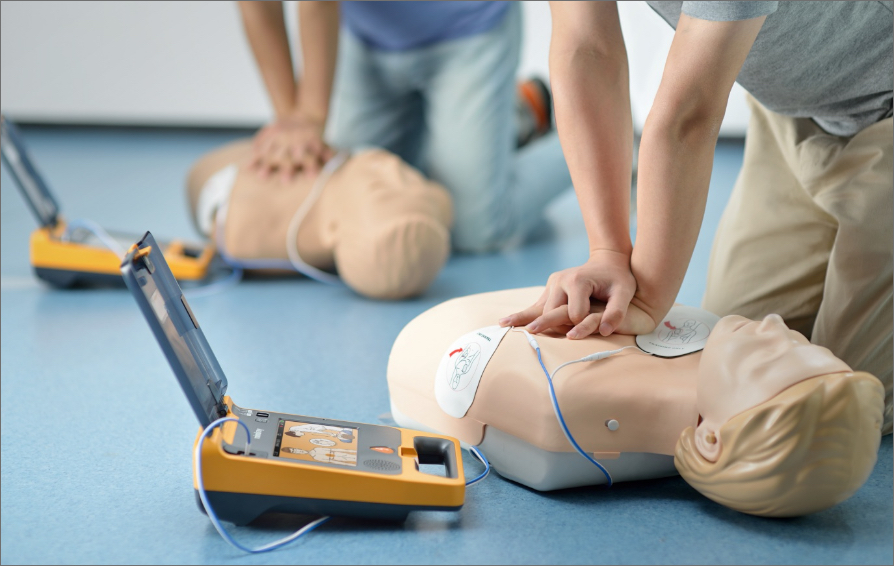
Begin chest compressions by placing the heel of one hand in the center of the victim’s chest, just above the sternum. Place your other hand on top and interlock your fingers. Using your upper body weight, press down firmly to a depth of at least two inches for adults, at a rate of 100 to 120 compressions per minute. Allow the chest to fully recoil between compressions to ensure blood flow. Proper technique is crucial to maximizing the effectiveness of each compression.
Step 4: Rescue Breaths
After 30 compressions, provide two rescue breaths if you are trained to do so. First, tilt the victim’s head back slightly and lift their chin to open the airway. Pinch their nose closed and create a seal over their mouth with yours. Breathe steadily into their mouth, watching for the chest to rise. If using a bag-mask device, ensure a tight seal and deliver breaths in the same manner. Rescue breaths are essential for oxygenating the blood, but if you’re untrained or uncomfortable, hands-only CPR is still highly effective.
Step 5: Continue CPR Until Help Arrives
Continue CPR cycles—30 compressions followed by two rescue breaths—until professional help arrives or the victim shows signs of recovery, such as normal breathing or movement. Never stop CPR prematurely unless you’re physically unable to continue, someone else takes over, or the situation becomes unsafe. Persistence is key in maintaining blood flow and oxygen delivery to vital organs.
Benefits of CPR Certification
Being CPR-certified is invaluable, not only for healthcare providers but for anyone who wants to be prepared in emergencies. Certification courses teach proper techniques, build confidence, and ensure you’re equipped to handle high-pressure situations. Knowing that you can step in and potentially save a life brings peace of mind and readiness to face unexpected challenges.
Why Choose CPR Tampa?
For those seeking high-quality training, CPR Tampa offers comprehensive, hands-on courses certified by the American Heart Association (AHA). Their stress-free learning environment ensures that participants master essential skills without feeling overwhelmed. Whether you’re a first-timer or renewing your certification, CPR Tampa’s expert instructors provide personalized guidance to prepare you for real-life scenarios.
Conclusion & Call to Action
In conclusion, knowing how to do CPR is one of the most powerful and practical skills you can possess. Cardiac emergencies can happen anywhere and to anyone — and in those critical moments, a bystander who knows CPR can be the difference between life and death. Whether you are a parent, teacher, coach, or concerned community member, being prepared starts with proper training.
If you are ready to take that step, look no further than CPR Tampa, a trusted American Heart Association training site offering both CPR certification and BLS certification in Tampa. With courses designed to be hands-on, accessible, and stress-free, you will leave feeling confident in your ability to act when it matters most. Stop searching for a CPR class near me and take action today — register with CPR Tampa and gain the life-saving skills that could one day save someone you love. Because the best time to learn CPR is before you ever need it.
FAQs
Q: Can I learn how to do CPR if I have no medical training? A: Absolutely. CPR is a skill designed for everyone, not just healthcare professionals. If you are searching for a CPR class near me in the Tampa area, CPR Tampa offers American Heart Association-certified courses built specifically for everyday people — no medical background required. You will learn proper technique, compression depth, and rescue breathing in a hands-on, stress-free environment.
Q: How often should I renew my CPR skills? A: The American Heart Association recommends renewing your CPR certification every two years to ensure your skills and knowledge stay current with the latest guidelines. If your certification has lapsed or you simply want a refresher, finding a CPR class near me through CPR Tampa makes the renewal process quick and straightforward.
Q: What is the difference between CPR and BLS certification in Tampa? A: CPR certification teaches the fundamental life-saving techniques needed to respond to cardiac and breathing emergencies — ideal for parents, teachers, coaches, and everyday community members. BLS certification in Tampa builds on those foundations with more advanced protocols required for healthcare providers and first responders. CPR Tampa offers both certifications, so you can enroll in whichever course best matches your role and goals.